|
|
|
|
|
इराकका येजिदी राक्षस उपासकहरूको बारेमा धेरै विवादास्पद लेखहरू छन्। येजिदी मानिसहरू मूल रूपमा दक्षिणी इराकबाट आएका थिए र उत्तर माउन्ट लालिसमा बसाइँ सरेका थिए। यो विश्वास गरिन्छ कि तिनीहरू अश्शूरहरूका सन्तान हुन् जसले सामान्य युग भन्दा पहिले(BCE) ६१२ मा (Nineveh)निनवेहको पतन पछि शरण खोजेका थिए। ¹
Eridu(एरिदु) जसलाई "Enkidu(एन्किदु)" भनेर पनि चिनिन्छ, दक्षिणी इराकमा एक प्राचीन सहर थियो। यो पिता सैतनको [एन्किको] सहर थियो। Baten El Ghoul (बटेन एल घोल) को उपत्यका जुन गाडिएको प्राचीन सहरको ठीक छेउमा छ, अहिले "The Devil's Hole (द डेभिल्स होल)" र "Belly of the Beast (बेली अफ द बिस्ट)" भनेर चिनिन्छ। जोर्डन र अन्य धेरैले यसलाई भूतले च्यापिएको मान्छन्। नरकदेवहरू त्यहाँ रात बिताएका धेरैद्वारा देखिएका छन्, प्रायः सिपाहीहरू अस्थायी शिविर [क्याम्पहरू] मा। त्यहाँ कुनै पनि समयको अन्तरालको लागि उपस्थित भएकाहरूले दावी गर्छन् कि यससँग एक शक्तिशाली ऊर्जा छ जसलाई यहूदी/क्रिस्चियन/मुस्लिम कार्यक्रमहरूका अनुयायीहरूले "दुष्ट" भनेर लेबल गर्छन्।
त्यहाँ रात बिताउनेहरूले सम्पूर्ण क्षेत्र "अनौठो नीलो खैरो प्रकाशमा नुहाएको" पनि दाबी गर्छन्। "भूतको छविहरू" पनि देखिन्छ। [माथिको जानकारी David Moorehouse(डेभिड मुरहाउस) द्वारा "Psychic Warrior" पुस्तकबाट लिइएको थियो]। लेखक अमेरिकी सेनाका सिपाही थिए जसलाई त्यो उपत्यकामा आफ्नो प्लाटुनको साथ क्याम्पिङ गर्दा टाउकोमा मोर्टारको गोली लागेर चोट लागेको थियो र उसले घटना अघि कहिल्यै नभएको अलौकिक घटना र क्षमताहरू अनुभव गरेको थियो। उसलाई अन्ततः अमेरिकी सेनाको साइकिक वारफेयर विभागमा नियुक्त गरियो।
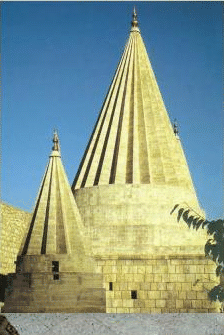
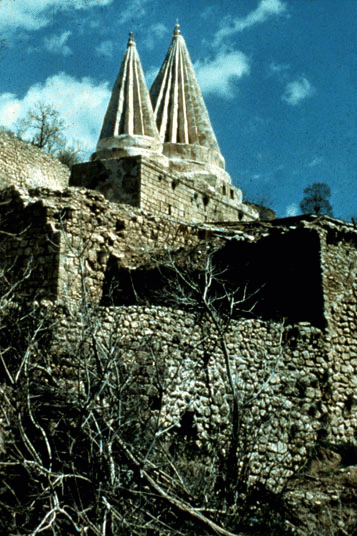
इराकसँग सैतनको धेरै प्राचीन शिल्पहरू र प्रमाणहरू छन्। लालेश पर्वत प्राचीन अश्शूरी सहर निनवेहको नजिक छ र तीन सय माइलको फैलाउ साथसाथै जिआराहहरू छन्; लालेश पर्वतमा केन्द्र टावरको साथ सैतनको सात टावरहरू। "सात टावरहरू वा शक्ति घरहरू - एक उच्च सेतो सोली आकारको संरचना यसको शिखरबाट चम्किलो किरणहरू चम्कदै सहित।"²
"...सात टावरहरू - सैतनको टावरहरू [जिआराहहरू] -ती मध्ये छवटा समलम्ब जस्तो रूपमा, र एउटा, लालेश पर्वतमा रहेको "केन्द्र", तीखो, खोदिएको बिन्दु जस्तो आकारको।"
" एनटन लाभेय द्वारा सैतनिक अनुष्ठानहरू
माथिको अंश एक रूपक पनि हो, किनकि केन्द्र विचित्र हो, हृदय चक्र। यसमा शक्ति छ, तर आत्माको सबैभन्दा बलियो चक्रको शक्ति छैन, सूर्यको '६६६' चक्र। हृदय चक्रको शक्तिहरू न्यूनतम छन्। यही कारणले गर्दा शत्रुले सधैँ चलिरहेको पुस्तकहरूमा यसलाई दावी गरिरहको छ , र जनताको लागि सजिलै उपलब्ध हुने नयाँ युगको सिद्धान्तमा।
प्रत्येक टावर एक उज्ज्वल हेलियोग्राफिक परावर्तक द्वारा शीर्ष छ, र एक शक्ति गृहको रूपमा सेवा गर्ने उद्देश्य थियो जहाँबाट सैतनिक/येजिदी धर्माध्यक्षले संसारका घटनाहरूलाई प्रभाव पार्न आफ्नो इच्छालाई प्रसारित गर्न सक्थ्यो।
येजिदीहरूलाई प्रायः गोप्य मानिसहरूको रूपमा वर्णन गरिएको छ जसलाई आफ्नो धर्म बाहिरीहरूलाई प्रकट गर्न अनुमति छैन; तिनीहरूले आफ्नो वास्तविक विश्वासहरू लुकाएर राख्छन्। आधुनिक येजिदीवाद बाहिरी हस्तक्षेपका कारण पुरानो तरिकाहरूबाट केही हदसम्म परिवर्तन भएको छ। येजिदी मानिसहरूलाई गम्भीर रूपमा सताइएको छ र बाहिरका मानिसहरूलाई धेरै शङ्का गर्छन्। यो स्पष्ट छ कि तिनीहरूका सिद्धान्तहरू ईसाई विश्वासहरू अनुरूप परिवर्तन गरिएको छ किनकि कु"रेट अल येजिदमा ; सैतनले भन्नुहुन्छ कि वहाँ एक भगवान् हो र अन्य ठाउँहरूमा यो पढ्छ कि वहाँ "प्रधान दूत" हुनुहुन्छ।
Satan dictated the Al Jilwah directly to Yezidi prophet Sheik Adi in the 12th century. The Al Jilwah is the most important doctrine in Satanism and every Satanist should be familiar with its teachings. I asked Satan if the Al Jilwah was from him and he confirmed it was, but stated that the Muslims altered some of the Yezidi doctrines.
The Yezidis have been victims of mass-murder and genocide at the hands of others, mainly those of the Christian and Muslim religions. In the year 1415 CE, Muslims desecrated and burned the tomb of Sheik Adi, ransacking his grave and removing his bones and burning them in front of the Yezidis. "Some of the Yezidi multitude they took as prisoners and made slaves of them, and the others they murdered." Badr al-Din further ordered the execution of two hundred members of the sect and had Sheik Adi"s bones disinterred and burned." ³
In 1892, Farik "Omar Pasa invited several Yezidi Chiefs to Mosul. His agenda was to collect 20 years of back taxes and to try to convert them to Islam. A few Christians were present at the meeting. He began to tell them that "if they would give up their Devil-worship, they would be rewarded with high place and rank, and would please the great Allah." When they refused to answer, Farik threw them into prison, marched on their village, and "slew about 500 of them." 4
Most Yezidis are illiterate and the few doctrines they have are passed down from generation to generation by word of mouth. In order to avoid persecution, the Yezidi people have purposely deceived outsiders concerning their beliefs and doctrines. This explains why there are so many conflicting accounts of their faith. The Yezidis have very few scriptures; in the Al-Jilwah, Satan instructs: "I lead to the straight path without a book."
"Melek Ta"us taught "first by oral tradition and secondly by this book Jilwe." 5
The Yezidi people are forbidden to say the name "Shaitan." They refer to Satan as "Melek Ta"us." Melek means "King." He is known as the Peacock Angel because of his beauty and pride. He is the "Proud One" and "Ruler of the Earth." He is a God of Light rather than of darkness and is concerned with the destinies of the world. 4 The Yezidis represent Satan by both the peacock and the snake. "The peacock represents the beauty of the worshipped God and the snake represents his wisdom because he is both beautiful and wise." Their holy relic is the copper sanjak, an image of the peacock. 6
The Yezidis play the flute and the tambourine at their festivals and dance; "a worship which led to every excess of debauchery and lust."7
"The Jalwah and the Resh are the authentic holy scriptures of the Yezidis. The Yezidis not only acknowledge the loss of many copies of their scriptures but also Shaikh Hayder"s recording of the Book of Resh. The latter no doubt the Resh scripture was set down from memory." The Yezidis indeed avoid mentioning the very name "Satan" or any of his attributes, and have kept themselves aloof for centuries. Their books are a mystery. They also are forbidden to wear the color blue as this is the sacred color of Satan. 8
The Yezidis sometimes use the name "Ankar" for Satan and the name Angar-Manyu for Ahriman in Zoroastrianism. 9 The Mishaf [Scripture] Resh [Black] the Yezidis believe was written by Shaikh Hasan al-Basri has been called "Black" because the word Satan is covered in it. It measures 28 x 21 cm. and has a leather cover. The Yezidis also have a reputation for being adepts at black magick. 10
_________________________________________________________
REFERENCES:
1 The Yezidis, their Life and Beliefs by Sami Said Ahmed 1975
2 Adventures in Arabia: Among the Bedouins, Druses, Whirling Dervishes & Yezidee Devil Worshipers by W.B. Seabrook 1927
3 Yezidism- its Background, Observances and Textual Tradition
by Philip G. Kreyenbroek 1995
4 Ibid.
5 The Yezidis: A Study in Survival by J.S. Guest 1987
6 Peacock Angel by E.S. Drower 1941
7 Ibid
8 The Yezidis, their Life and Beliefs by Sami Said Ahmed 1975
9 Ibid
10 Devil Worship 1919: The Sacred Books and Traditions of the Yezidiz
by Isya Joseph

Back to The Doctrines of Satan
© Copyright 2005, 2015, Joy of Satan Ministries;
Library of Congress Number: 12-16457
